
Les meilleures réductions de la semaine
Chaque semaine, vous trouverez ici les meilleures réductions.

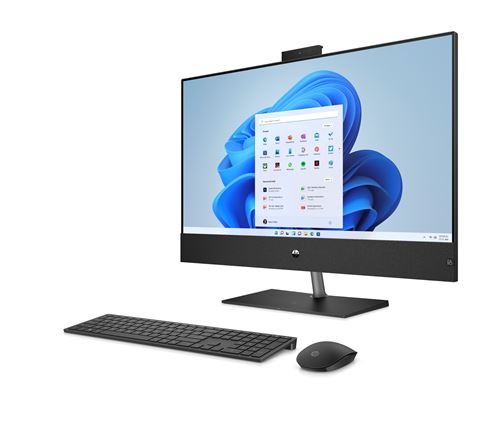
Ordinateur All in One HP 200 G4 Core i5



HP 200 AIO 24‑DF1063NY

Hue Science and Affective Impact in Digital Products
Hue Science and Affective Impact in Digital Products
Chromatic elements in online platform development surpasses basic aesthetic appeal, operating as a advanced messaging system that impacts customer conduct, emotional states, and mental reactions. When creators tackle chromatic picking, they engage with a intricate network of mental stimuli that can decide customer interactions. All hue, saturation level, and lightness factor holds natural importance that audiences manage both deliberately and subconsciously.
Current electronic systems like casino mania rely heavily on color to convey ranking, establish company recognition, and lead user interactions. The planned execution of color schemes can increase conversion rates by up to four-fifths, showing its strong impact on user decision-making procedures. This phenomenon happens because shades stimulate specific neural pathways connected with memory, feeling, and conduct trends formed through social programming and natural adaptations.
Electronic interfaces that ignore chromatic science frequently struggle with user engagement and retention rates. Users create decisions about digital interfaces within fractions of seconds, and chromatic elements plays a essential part in these initial impressions. The careful orchestration of color palettes generates instinctive direction routes, reduces mental burden, and enhances total audience contentment through subconscious comfort and familiarity.
The mental basis of hue recognition
Human color perception operates through complex interactions between the visual cortex, limbic system, and reasoning section, generating complex reactions that surpass basic sight identification. Investigation in brain science demonstrates that hue handling involves both fundamental perception data and top-down cognitive interpretation, suggesting our minds energetically build meaning from chromatic triggers rooted in previous encounters casino mania, environmental settings, and genetic inclinations. The trichromatic theory describes how our sight systems recognize hue through three types of sight detectors sensitive to distinct ranges, but the psychological impact takes place through later neural processing. Hue recognition encompasses recall triggering, where particular colors stimulate memory of linked interactions, feelings, and educated feedback. This process explains why certain hue pairings feel balanced while different ones produce optical pressure or unease.
Individual differences in hue recognition originate in genetic variations, cultural backgrounds, and unique interactions, yet common trends surface across groups. These similarities enable designers to leverage predictable mental reactions while keeping sensitive to different audience demands. Comprehending these fundamentals allows more powerful color strategy formation that connects with target audiences on both conscious and unconscious stages.
How the thinking organ handles color before aware thinking
Hue handling in the individual’s thinking organ happens within the initial 90 milliseconds of visual contact, long prior to intentional realization and logical assessment occur. This before-awareness handling involves the emotion hub and other limbic structures that evaluate signals for feeling importance and potential threat or advantage links. Throughout this essential timeframe, color impacts emotional state, focus distribution, and behavioral predispositions without the audience’s casinomania clear recognition.
Neural photography investigation prove that various colors activate separate thinking zones linked with specific emotional and body reactions. Scarlet frequencies activate areas linked to stimulation, immediacy, and advancing conduct, while blue frequencies activate areas linked with peace, confidence, and analytical thinking. These instinctive feedback create the basis for conscious chromatic selections and action feedback that come after.
The pace of hue handling provides it massive influence in online platforms where users make quick choices about direction, confidence, and participation. Platform parts tinted purposefully can lead awareness, affect feeling conditions, and ready specific conduct reactions prior to customers consciously assess material or operation. This before-awareness impact creates chromatic elements within the most powerful tools in the online developer’s collection for forming user experiences casinomania bonus.
Feeling connections of primary and additional colors
Primary colors hold essential feeling connections rooted in evolutionary biology and cultural evolution, producing expected mental reactions across varied customer groups. Crimson commonly evokes feelings related to vitality, passion, immediacy, and warning, rendering it effective for action prompts and mistake situations but potentially overwhelming in large applications. This hue activates the sympathetic nervous system, increasing heart rate and creating a perception of rush that can boost conversion rates when used thoughtfully casino mania.
Cerulean generates associations with faith, steadiness, competence, and calm, describing its frequency in business identity and banking systems. The color’s link to atmosphere and water creates unconscious emotions of transparency and reliability, rendering audiences more likely to give personal information or complete exchanges. However, excessive blue can feel distant or detached, needing thoughtful equilibrium with hotter accent colors to maintain individual link.
Golden stimulates positivity, creativity, and focus but can rapidly become excessive or linked with caution when applied too much. Emerald connects with nature, progress, accomplishment, and harmony, making it perfect for wellness applications, financial gains, and green projects. Secondary colors like lavender convey luxury and innovation, amber implies excitement and approachability, while combinations create more nuanced feeling environments casinomania bonus that advanced online platforms can utilize for certain customer interaction objectives.
Heated vs. cold hues: shaping feeling and perception
Thermal shade grouping significantly impacts user feeling conditions and action habits within digital environments. Heated shades—reds, ambers, and golds—generate emotional perceptions of nearness, power, and stimulation that can encourage involvement, urgency, and social interaction. These colors come closer visually, appearing to move ahead in the system, naturally pulling attention and producing personal, active atmospheres that work well for fun, networking platforms, and retail systems.
Cool colors—azures, greens, and lavenders—generate sensations of remoteness, peace, and consideration that promote systematic consideration, faith development, and continued concentration in casinomania. These hues move back through sight, producing depth and spaciousness in platform development while reducing visual stress during long-term interaction times.
Chilled arrangements succeed in efficiency systems, learning systems, and work utilities where users must to keep concentration and manage complicated data effectively.
The strategic mixing of hot and chilled shades creates active visual hierarchies and emotional journeys within user experiences. Warm hues can emphasize participatory parts and urgent information, while cool backgrounds supply restful spaces for information intake. This heat-related strategy to shade picking allows developers to arrange customer emotional states throughout participation processes, directing customers from excitement to consideration as required for optimal participation and completion achievements.
Color hierarchy and visual decision-making
Hue-related hierarchy systems guide audience selection casinomania procedures by generating clear pathways through system complications, employing both natural color responses and acquired social connections. Main activity colors typically use high-saturation, heated shades that require instant focus and indicate value, while secondary actions utilize more subdued colors that remain reachable but avoid fighting for primary focus. This hierarchical approach reduces thinking pressure by arranging beforehand information following audience values.
- Main activities obtain sharp-distinction, saturated colors that generate prompt optical significance casino mania
- Secondary actions employ moderate-difference hues that keep findable without interference
- Lower-priority functions utilize subtle-difference shades that mix into the background until required
- Harmful activities use warning colors that need deliberate audience goal to engage
The power of color hierarchy rests on consistent application across complete online systems, generating taught customer anticipations that reduce decision-making time and enhance assurance. Audiences create cognitive frameworks of shade importance within particular systems, allowing faster navigation and reduced mistake frequencies as familiarity rises. This standardization demand stretches past single interfaces to include full user journeys and various-device engagements.
Hue in user journeys: leading actions quietly
Strategic shade deployment throughout customer travels generates mental drive and emotional continuity that guides customers toward intended goals without explicit instruction. Hue changes can signal advancement through procedures, with gentle transitions from cold to hot tones building excitement toward success moments, or consistent shade concepts keeping participation across lengthy encounters. These gentle action effects function beneath conscious awareness while significantly affecting finishing percentages and casinomania bonus audience contentment.
Various experience steps profit from particular hue tactics: recognition stages often employ attention-grabbing contrasts, consideration stages utilize dependable blues and jades, while completion times employ urgency-inducing crimsons and ambers. The psychological progression matches normal selection methods, with hues backing the sentimental situations most helpful to each stage’s goals. This matching between hue science and user intent produces more instinctive and successful online engagements.
Successful journey-based hue application demands comprehending user sentimental situations at each contact moment and choosing hues that either harmonize or deliberately differ those situations to accomplish particular results. For instance, adding heated colors during nervous moments can offer relief, while cool shades during energetic moments can encourage careful thinking. This complex strategy to shade tactics transforms electronic systems from unchanging optical parts into energetic action effect networks.